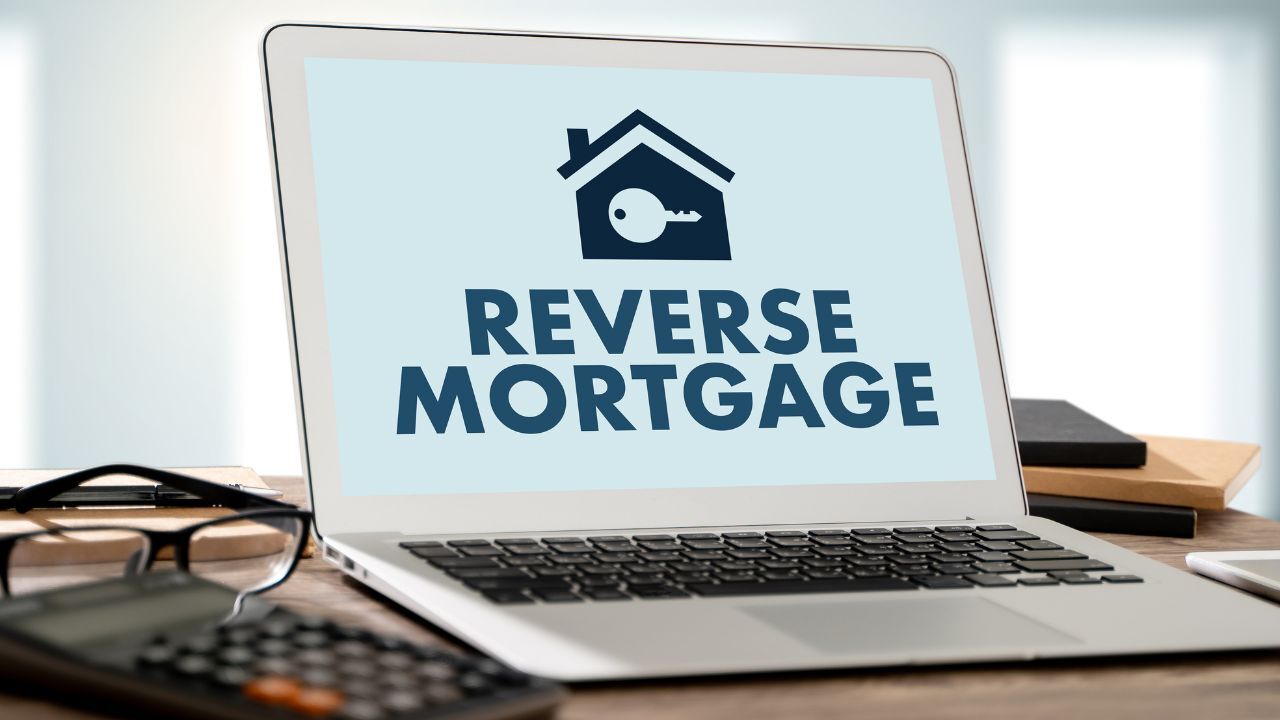
 A reverse mortgage can provide financial flexibility for homeowners later in life, but it must be approached with careful analysis. This loan structure allows eligible homeowners to convert a portion of their home equity into accessible funds without traditional monthly principal and interest payments.
While this can improve cash flow during retirement, it also changes how equity grows and how obligations are handled long-term. A reverse mortgage is not simply a financial product. It is a strategic decision that affects estate planning, liquidity, and future housing stability.
Eligibility and Equity Position Matter
Reverse mortgages typically require borrowers to meet age qualifications and hold significant equity in their primary residence. The amount available is influenced by age, property value, and current interest rates. Before proceeding, homeowners should evaluate how long they plan to remain in the property and whether maintaining ownership aligns with their long-term retirement goals. Remaining in the home is usually required for the loan to remain in good standing.
Interest Accrual Changes the Equation
Unlike a traditional mortgage where monthly payments reduce principal, a reverse mortgage accrues interest on the outstanding balance. Over time, this increases the loan amount and reduces remaining equity. While borrowers are not making required monthly principal payments, the compounding effect should be clearly understood. Evaluating projected balance growth over time helps determine whether the strategy aligns with estate or inheritance goals.
Use of Funds Should Be Defined
Accessed equity may be received as a lump sum, line of credit, or structured payments. Each option carries different implications. Using funds for necessary expenses such as medical care or to eliminate higher interest debt may strengthen retirement stability. Using funds without a defined plan can reduce long-term financial flexibility.
Ongoing Obligations Remain
Even without traditional mortgage payments, homeowners must continue paying property taxes, insurance, and maintenance costs. Failure to meet these obligations can jeopardize the loan. A reverse mortgage improves liquidity, but it does not eliminate responsibility.
A reverse mortgage can be an effective tool when integrated into a broader retirement strategy. However, it requires careful modeling and long-term planning. If you are evaluating whether this option supports your financial future, reach out to review your mortgage structure and determine if it aligns with your goals.